
Got Stung by Something in the Sea in Malta? What to Do First
You do not need to identify the creature before getting help. Start with the person’s breathing, alertness and safety - not a search for a matching photograph.
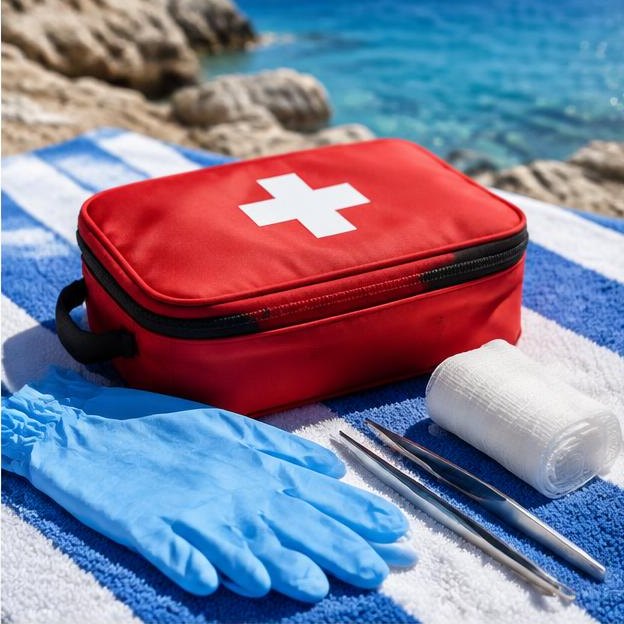
Key takeaways
- Get out of the water and ask a lifeguard or companion for help.
- Do not diagnose the organism from the shape of a rash.
- Avoid rubbing, digging at punctures or applying unknown remedies.
- Call 112 for breathing trouble, collapse or widespread serious symptoms.
First: leave the water safely
Pain can affect your ability to swim. Move to a safe exit and ask for help before you become exhausted. If someone is unable to get out, alert a lifeguard and call 112; do not become a second casualty by attempting an unsafe rescue.
Once ashore, check breathing and alertness. Severe reactions can be more urgent than the skin injury. Stay with the person and do not send them walking alone to find a pharmacy if they feel faint.
When to call 112
Call 112 for trouble breathing, collapse, confusion, seizures or swelling of the lips, tongue or throat. Do not wait for an online appointment. Tell the operator your exact location, beach or nearest landmark and follow their instructions. A person who feels faint should not drive or return to the water.
Contact sting or puncture: explain what happened
A brushing sensation followed by raised marks may differ from stepping on something sharp, but symptoms do not prove the species. Tell the lifeguard whether there was contact with tentacles, a puncture or a visible creature.
For suspected jellyfish contact, avoid rubbing and initially rinse gently with seawater rather than fresh water. Remove visible tentacles only with protection. Do not use vinegar automatically: treatment depends on the organism. For a puncture, do not dig out material or probe a wound yourself.
Useful information for a clinician
- Time and exact location of the injury.
- Whether you brushed something or stepped on it.
- Symptoms at first and any later change, including pain, swelling or nausea.
- What first aid, medicines or home remedies have already been used.
- A safe photograph of the injury or creature if available - never delay help or handle it for a picture.
- Relevant allergies, medical conditions and tetanus history for a puncture wound.
When to seek non-emergency assessment
Persistent or increasing pain, embedded material, inability to walk normally, a large injury or signs of infection need medical attention. Eye involvement and injuries near joints also deserve prompt assessment. A GP can advise whether further care is needed.
Avoid returning to the sea with an open or worsening wound. Monitor for spreading redness, warmth, discharge or fever. Do not assume a skin mark staying visible means the same thing as pain becoming worse.
This information cannot diagnose your symptoms or replace individual medical advice. For a medical emergency in Malta, call 112.
Continue reading
Sources and references
Related guides
Jellyfish in Malta: Which Ones Sting and What Should You Do?
A practical guide to jellyfish stings in Malta: mauve stingers, safe first aid, what to avoid and when symptoms need emergency care.
What Sea Creatures Can Sting or Bite You in Malta?
Jellyfish, sea urchins and weever fish in Malta: common hazards versus occasional sightings, sensible prevention and when injuries need care.
Beach Rash in Malta: Jellyfish, Sun, Saltwater or Something Else?
A rash after the beach in Malta can have several causes. Learn safe next steps, what to tell a GP and which symptoms require urgent care.