
Jellyfish in Malta: Which Ones Sting and What Should You Do?
A sting can interrupt a lovely swim. Get out of the water first, avoid improvised remedies and follow advice suited to the creature involved.
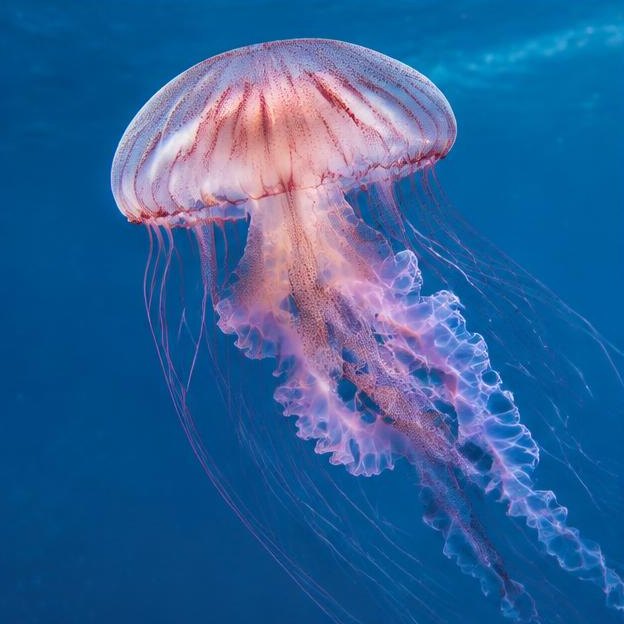
Key takeaways
- The mauve stinger is a documented stinging jellyfish in Maltese waters.
- Do not rub a suspected jellyfish sting or rinse it initially with fresh water.
- Treatment can depend on species; do not automatically apply vinegar.
- Breathing difficulty, collapse or throat swelling require 112.
Which jellyfish sting in Malta?
The mauve stinger, Pelagia noctiluca, is well documented around Malta. Its tentacles contain stinging cells, and contact may leave painful, raised marks. Other jellyfish and jellyfish-like organisms are also recorded; an unfamiliar shape is a reason to keep your distance, not to touch it for identification.
A photograph cannot reliably tell you how serious a sting is. Size, colour and a visible mark are not substitutes for assessing the person’s symptoms. Even a stranded jellyfish or detached tentacle may sting. Keep children away from organisms washed onto shore.
What to do immediately
- Leave the sea calmly and ask a lifeguard for help. Do not swim back alone if dizzy or weak.
- For a suspected jellyfish sting, gently rinse initially with seawater, not fresh water. Avoid rubbing or scraping with sand.
- If tentacles are visible, carefully lift them with tweezers or a protected hand. Do not use bare fingers.
- Keep the area still and follow the lifeguard’s species-specific first-aid instructions. Seek advice if you are unsure what stung you.
Why vinegar is not a universal remedy
Guidance varies by species and location. A treatment appropriate for one organism may trigger further stinging-cell discharge in another. Malta-specific guidance for the mauve stinger warns against vinegar and fresh water. Do not apply alcohol, urine or a home remedy while trying to identify the creature.
Tell the person helping you what you have already applied. If an eye is affected, avoid touching it or attempting tentacle removal yourself and seek urgent medical attention.
When to call 112
Call 112 for trouble breathing, collapse, confusion, seizures or swelling of the lips, tongue or throat. Do not wait for an online appointment. Tell the operator your exact location, beach or nearest landmark and follow their instructions. A person who feels faint should not drive or return to the water.
When a GP assessment is sensible
Persistent pain, a large affected area, worsening swelling, an infected-looking wound or symptoms that interfere with walking or sleep deserve assessment. A child, a person with previous serious reactions or someone stung repeatedly may need a lower threshold for seeking help. Tell the clinician when it happened and how symptoms have changed.
Before your next swim
Check University of Malta reports, local warning signs and lifeguard advice. Sightings are not a guarantee that a bay is clear or unsafe: winds and currents can change conditions quickly. Do not enter the sea to photograph or collect a jellyfish.
This information cannot diagnose your symptoms or replace individual medical advice. For a medical emergency in Malta, call 112.
Continue reading
Sources and references
Related guides
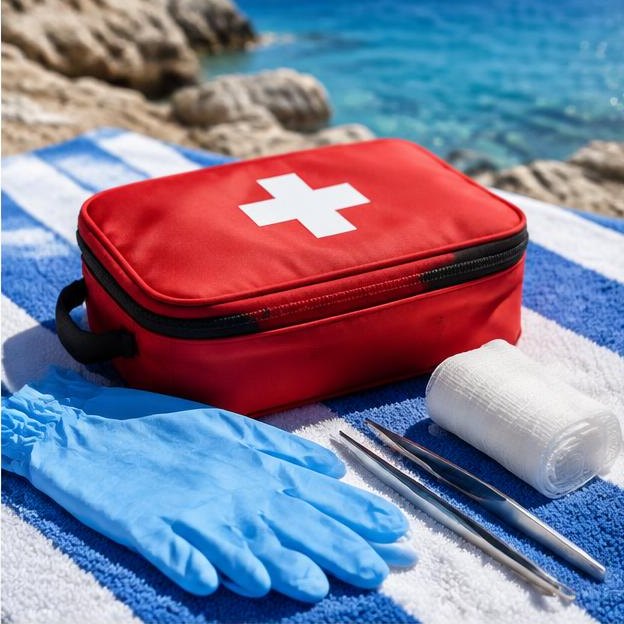
Got Stung by Something in the Sea in Malta? What to Do First
First steps after an unidentified marine sting in Malta: leave the water, get trained help, avoid harmful remedies and recognise emergency symptoms.
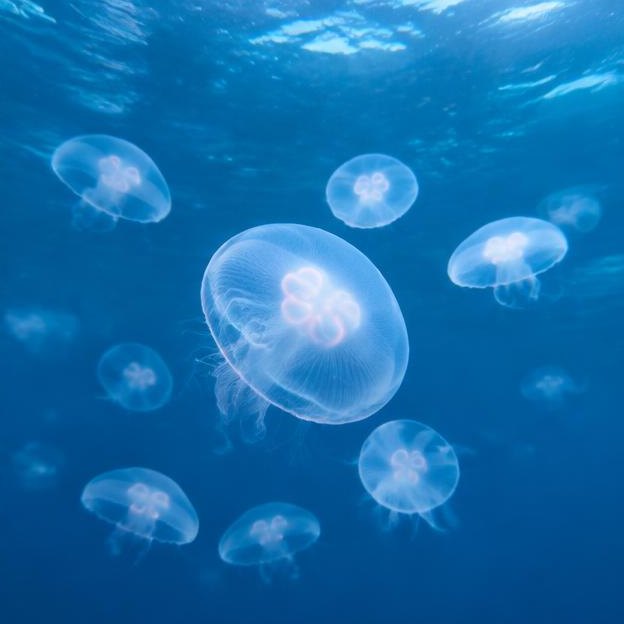
Jellyfish Season in Malta: When and Where Are They Most Common?
Understand Malta jellyfish sightings, wind and currents, the University of Malta reporting project and why no beach is permanently guaranteed clear.
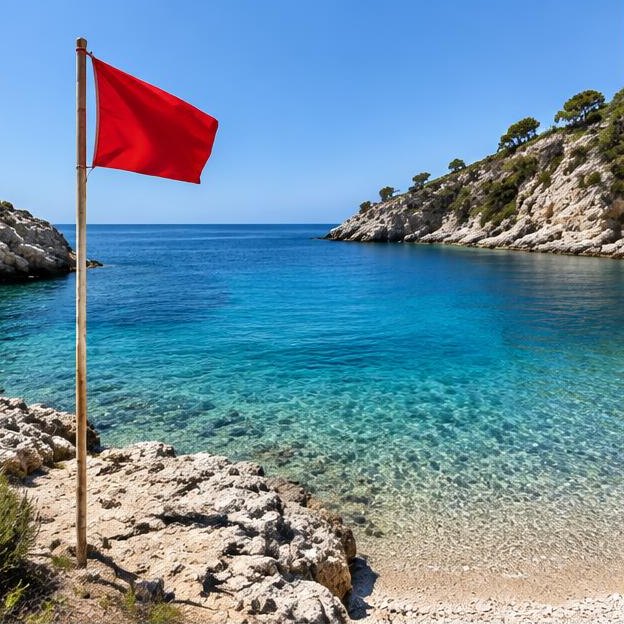
Is the Sea Safe to Swim in Today? Malta Bathing-Water Alerts Explained
Find Malta’s official bathing-water dashboard and understand temporary no-swimming notices, beach flags and the limits of water-quality ratings.