
Is the Sea Safe to Swim in Today? Malta Bathing-Water Alerts Explained
Clear blue water is not a laboratory test. Check the official water-quality information and the conditions at your beach before getting in.
Key takeaways
- Check the official Environmental Health Directorate dashboard, not an old social post.
- A water-quality classification is not the same as a current beach safety warning.
- Follow restrictions and lifeguard instructions even if the sea looks clear.
- DoctorMalta does not display a live all-clear or current beach-alert feed.
Where to check official bathing-water information
Use the Environmental Health Directorate’s official bathing-water quality dashboard linked in the sources below. Select the bathing location you plan to visit and look for the sampling information and date available. Match the name and map position carefully: two nearby beaches can have different conditions.
Also check current health-authority notices and signs at the beach. If a notice is unclear or you cannot confirm whether a restriction has been lifted, choose another bathing location. A booking website or travel blog cannot clear a public-health restriction.
What water-quality testing can tell you
Bathing-water monitoring checks indicators of contamination. The results help authorities assess health risks and issue advice. Water that looks or smells normal can still be unsuitable for swimming, while a photograph of murky water cannot establish a diagnosis of pollution.
Results relate to samples taken at a particular place and time. Do not treat an older result or a general annual rating as a promise about this afternoon. Rain, discharges and other events can change conditions between tests.
What a temporary no-swimming warning means
A restriction is advice not to bathe in the affected area. Do not swim there, let children paddle or assume a short dip is harmless. Keep away until the responsible authority confirms that the restriction is lifted.
Moving a few metres along the same shore may not place you outside the affected area. Read the location details, and ask a lifeguard if you are uncertain. Do not rely on other people being in the water.
Water quality is only one part of sea safety
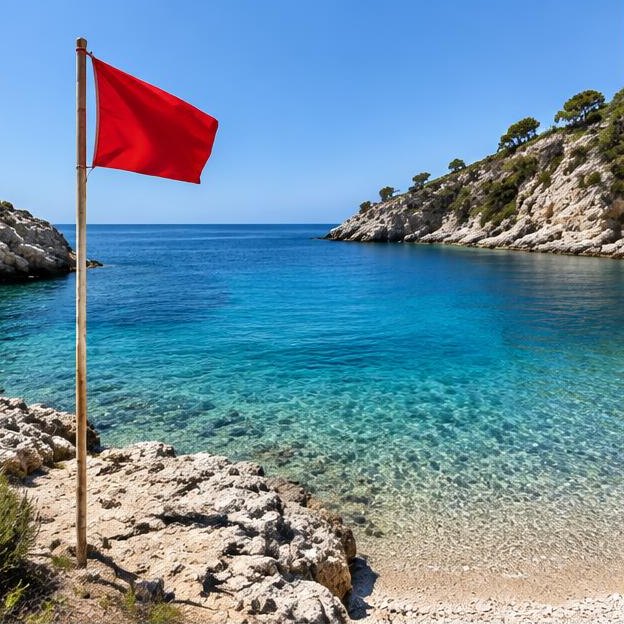
A bay with acceptable water-quality results can still have hazardous waves, currents, jellyfish or slippery access. Malta Red Cross beach-status information and on-site lifeguards can help with supervised locations. Follow the flags actually displayed, and remember that not every beach is staffed.
If there is a red flag or an instruction not to enter, stay out. An absence of a visible warning is not a guarantee that conditions are safe.
If you become unwell after swimming
Vomiting, diarrhoea, ear pain or a skin problem after a swim can have several causes. Avoid further swimming while unwell, keep hydrated where appropriate and seek medical advice for persistent or worsening symptoms. Tell the clinician the beach, date and whether there was a warning. Severe illness, collapse or breathing difficulty need 112.
This information cannot diagnose your symptoms or replace individual medical advice. For a medical emergency in Malta, call 112.
Continue reading
Sources and references
Related guides
Swimming in Malta: 10 Health and Safety Things Tourists Often Miss
Ten practical checks before swimming in Malta: currents, flags, jellyfish, sun, hydration, rocks, sea urchins, water alerts and alcohol.
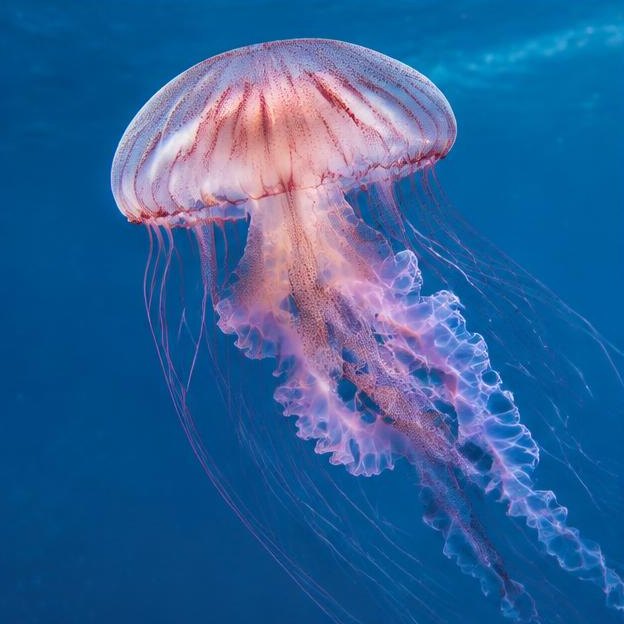
Jellyfish in Malta: Which Ones Sting and What Should You Do?
A practical guide to jellyfish stings in Malta: mauve stingers, safe first aid, what to avoid and when symptoms need emergency care.
Got an Ear Infection After Swimming in Malta?
Ear pain after swimming in Malta’s sea or pools? Swimmer’s ear explained, home care, when to see a GP and when ear symptoms are urgent.