
What Sea Creatures Can Sting or Bite You in Malta?
Most swims are uneventful. Knowing what not to touch, where to step carefully and when to ask for help is more useful than a frightening list of species.
Key takeaways
- Mauve stingers, sea urchins and weever fish are documented marine hazards.
- Occasional reports of other organisms do not mean they are present at every beach.
- Do not handle unfamiliar creatures, including stranded organisms.
- First aid depends on the injury and organism; do not use one remedy for everything.
Jellyfish and jellyfish-like organisms
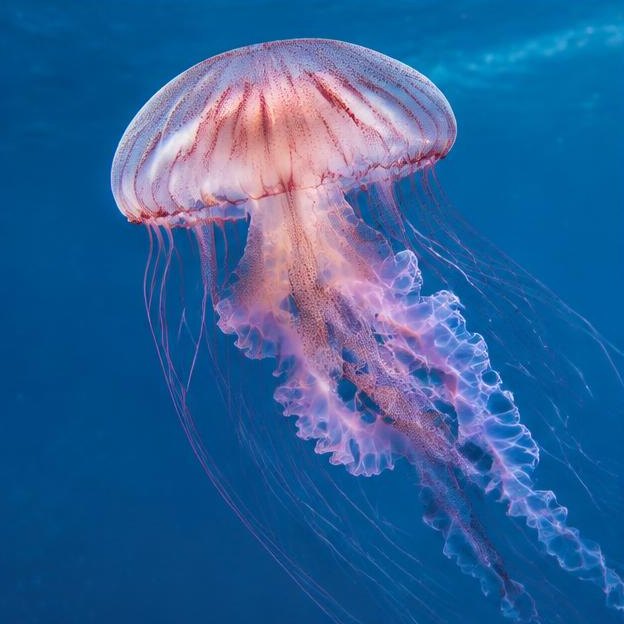
The mauve stinger can cause painful contact stings. Other jellyfish are documented, and Portuguese man o’ war may be reported occasionally. It is a siphonophore rather than a true jellyfish, but its tentacles can sting. A recorded sighting is not a statement that it is common everywhere.
Keep your distance from unfamiliar organisms and ask a lifeguard about local sightings. Tentacles can extend beyond the visible floating body. Do not pick up a stranded creature to move or photograph it.
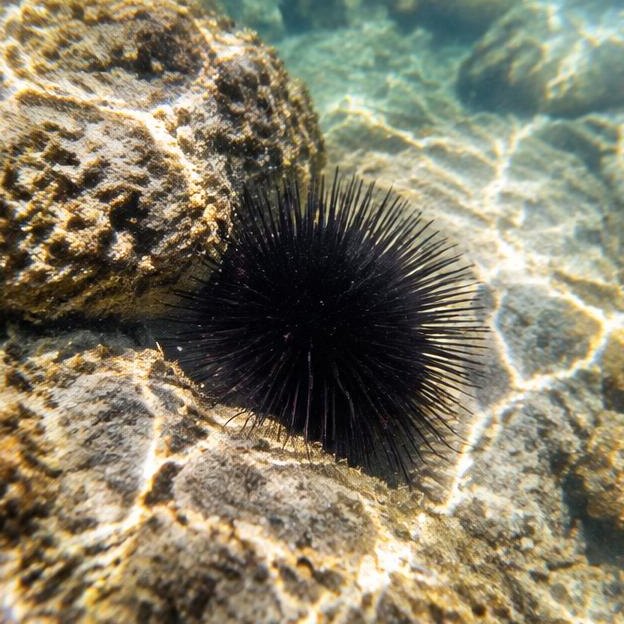
Sea urchins: look before stepping
Sea urchins can sit among shallow rocks. Their spines can puncture skin and may break if you try to dig them out. Wear suitable footwear where appropriate, choose a safe entry point and do not use a sea urchin-covered rock as a handhold.
Seek medical advice for embedded spines, significant pain, a wound near a joint or signs of infection. Do not aggressively probe a puncture or rely on a home remedy to dissolve material you cannot see.
Weever fish and painful punctures
Weever fish may lie partly buried in sand and can sting when stepped on. If you develop sudden intense pain after a puncture in shallow water, leave the water and ask for trained help. You cannot confirm the species from pain alone.
Hot-water treatment is used for certain marine stings, including weever fish, but water must not burn the skin. Follow a lifeguard or clinician’s guidance, especially for children or anyone with reduced sensation, rather than testing scalding water yourself.
A safer approach to any marine injury
- Leave the sea before attempting first aid.
- Explain what happened and whether you saw a creature or stepped on something.
- Do not rub jellyfish contact areas, dig at deep spines or apply an all-purpose chemical remedy.
- Ask whether wound cleaning, tetanus advice or further examination is needed.
- Keep the injury out of the sea until it has been assessed or has healed appropriately.
When to call 112
Call 112 for trouble breathing, collapse, confusion, seizures or swelling of the lips, tongue or throat. Do not wait for an online appointment. Tell the operator your exact location, beach or nearest landmark and follow their instructions. A person who feels faint should not drive or return to the water.
This information cannot diagnose your symptoms or replace individual medical advice. For a medical emergency in Malta, call 112.
Continue reading
Sources and references
Related guides
Jellyfish in Malta: Which Ones Sting and What Should You Do?
A practical guide to jellyfish stings in Malta: mauve stingers, safe first aid, what to avoid and when symptoms need emergency care.
Got Stung by Something in the Sea in Malta? What to Do First
First steps after an unidentified marine sting in Malta: leave the water, get trained help, avoid harmful remedies and recognise emergency symptoms.
Swimming in Malta: 10 Health and Safety Things Tourists Often Miss
Ten practical checks before swimming in Malta: currents, flags, jellyfish, sun, hydration, rocks, sea urchins, water alerts and alcohol.