Healthcare and Insurance in Malta: A Practical Guide
Malta’s system mixes free public care with a large private sector. Knowing how the pieces fit - and how insurance pays - saves time and money.

Key takeaways
- Public healthcare in Malta is free at the point of use for people entitled to it, including residents paying social security.
- Private GPs and private hospitals charge fees but usually offer faster appointments.
- Tourists rely on an EHIC/GHIC for necessary public care, or on travel insurance for private care.
- Private health insurance in Malta usually reimburses or directly pays private treatment, subject to your policy.
- For emergencies, call 112.
The short answer
Malta has a two-track system. The state runs public health centres, Mater Dei Hospital (the main acute general hospital, in Msida) and Gozo General Hospital. Alongside it, private GP clinics, specialists and private hospitals offer paid care. Most residents use both; most tourists use private doctors and claim from travel insurance.
How to search for and find a doctor in Malta
Start by deciding how urgent your problem is. Then choose the route that fits:
- Emergency: call 112 or go to the emergency department at Mater Dei Hospital (or Gozo General Hospital).
- Minor symptoms: ask a pharmacist - pharmacies are found in almost every town.
- Need a GP today: book a private GP or a doctor home/hotel visit.
- Prefer not to travel: book an online (telemedicine) consultation.
- Entitled to public care and not urgent: visit a public health centre.
When searching online, look for a clinic that clearly lists its address, phone number, registered doctors and fees. Avoid services that do not tell you who will treat you.
Public healthcare: who is covered
People who are insured under Malta’s social security system - most employed residents and their dependants - are entitled to public healthcare, including GP visits at health centres, hospital care and many medicines for chronic conditions. Visitors from the EU/EEA, Switzerland and the UK can access medically necessary public care with a valid EHIC or GHIC.
Public care is comprehensive, but non-urgent care can involve waiting, both in emergency departments and for outpatient appointments.
Private healthcare: what you pay for
Private GPs charge a consultation fee; home and hotel visits cost more. Private hospitals offer elective surgery, diagnostics and specialist care. What you mainly pay for is speed, choice of doctor and convenience.
How insurance works in Malta
EHIC and GHIC
These cards give access to state-provided, medically necessary care on the same terms as locals. They do not cover private doctors, private hospitals or repatriation.
Travel insurance
Travel insurance typically covers private medical treatment, medicines and repatriation while abroad. Usually you pay the clinic and claim back, so keep receipts and the doctor’s report. Call your insurer’s assistance line first for larger costs.
Private health insurance for residents
Many residents and expats hold private health insurance - personally or through an employer - to cover private hospital stays and specialist care. GP visits may or may not be included; check your policy’s outpatient benefits and excess.
Public vs private at a glance
| Public | Private | |
|---|---|---|
| Cost | Free if entitled | Fee per visit or via insurance |
| Waiting | Can be long for non-urgent care | Usually same or next day |
| Choice of doctor | Limited | Yes |
| Best for | Emergencies, serious and long-term care | Quick GP visits, tourists, convenience |
What to do next
If you need a doctor now and it is not an emergency, the fastest option is usually a private GP. Doctor St Julian’s Clinic offers private GP consultations, including doctor call-outs in Malta.
This information cannot diagnose your symptoms or replace individual medical advice. For a medical emergency in Malta, call 112.
Continue reading
Sources and references
Related guides
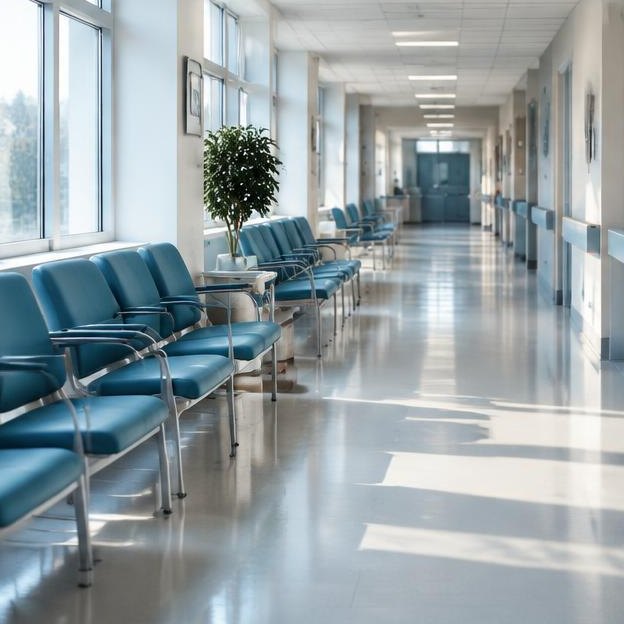
Mater Dei Hospital vs Private Hospitals in Malta: Waiting Times and Choices
What to expect at Mater Dei Hospital, why non-urgent waits can be long, how private hospitals and private GPs in Malta compare, and when each makes sense.
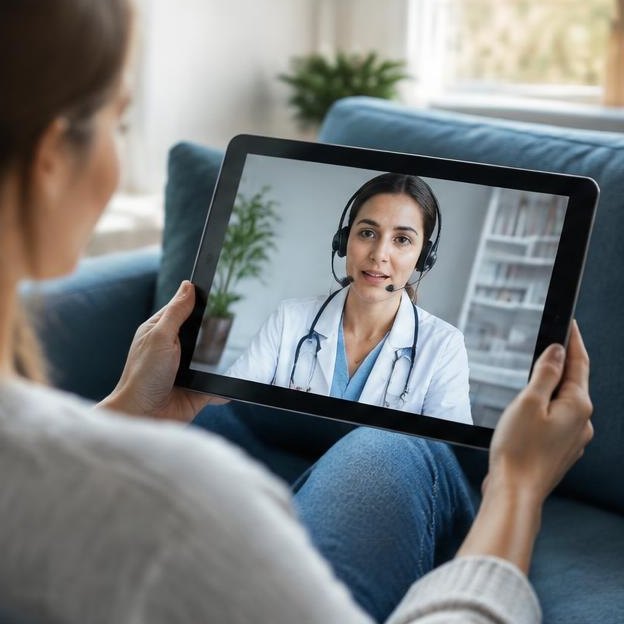
Telemedicine in Malta: Why Online Doctor Visits Have Become So Popular
Telemedicine has recently become a popular way to see a doctor in Malta. How it works, why residents and tourists use it, what it can and cannot do.
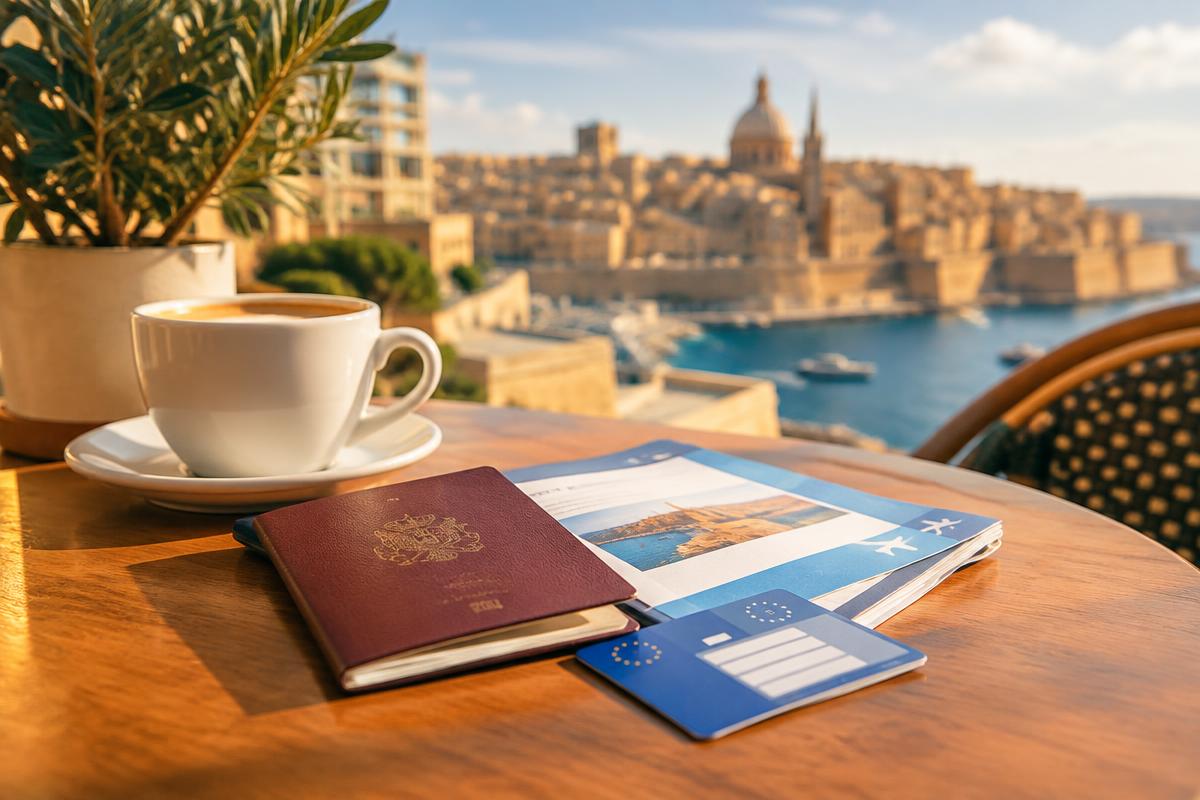
Using an EHIC in Malta: Healthcare Guide for European Tourists and Visitors
What the European Health Insurance Card covers in Malta, what it does not replace, private treatment, travel insurance, documents and emergency care.