What to Do If You Get Sick While on Holiday in Malta
Getting ill away from home is stressful. A calm, step-by-step approach will help you find the right care quickly.
Key takeaways
- First decide how serious it is: emergencies need 112, not an appointment.
- Pharmacists can help with many minor problems.
- Private GPs and online doctors are common choices for tourists and visitors.
- Keep receipts and medical notes for insurance claims.
First, assess how serious it is
Pause and ask: could this be an emergency? Severe symptoms need immediate help. For everything else, you have time to choose the most convenient option.
Emergency situations
Call 112 if someone has:
- Severe difficulty breathing or new chest pain.
- Signs of stroke: face drooping, arm weakness, speech difficulty.
- Collapse, seizure, or is difficult to wake.
- Severe bleeding, a serious injury or a severe allergic reaction.
- Confusion or very high temperature after heat exposure.
Minor illness
Colds, mild stomach upsets, minor sunburn, insect bites and small cuts can often be managed with rest, fluids and pharmacy advice. Seek medical help if symptoms worsen, do not improve, or you are in a higher-risk group.
Finding a GP
Public health centres provide GP services. If you hold a valid EHIC, you may be able to access medically necessary state care. Check current opening arrangements before travelling.
Private doctors
Many visitors choose a private GP for speed and convenience, especially around tourist areas. Fees vary, so ask in advance. Private medical consultations are available through Doctor St Julian’s Clinic, Malta.
Online consultation
If you feel too unwell to travel, an online consultation may allow a doctor to assess your symptoms from your hotel or apartment and advise whether an in-person visit is needed.
Pharmacies
Pharmacies are found in most towns and resorts. Pharmacists can advise on minor ailments and suitable over-the-counter treatment. Some medicines that are available without prescription at home may require one in Malta, and vice versa. Out-of-hours arrangements vary, so check locally.
EHIC and travel insurance
An EHIC (or UK GHIC) covers medically necessary state-provided healthcare on the same terms as local insured people. It does not cover private treatment, and it does not replace travel insurance, which may cover private care, repatriation and other costs. Check your policy and contact your insurer early if you need treatment.
What documents to keep
- Passport or ID, and your EHIC/GHIC if you have one.
- Travel insurance policy number and emergency contact line.
- Receipts for consultations, medicines and tests.
- Any medical reports, prescriptions or discharge letters.
- A list of your regular medicines and allergies.
Why do I keep getting sick on holiday in Malta?
Travel changes several things at once: sleep, meal times, activity, sun exposure and contact with other people. Repeated late nights, alcohol and long days outdoors can leave you tired or dehydrated. Crowded transport and nightlife also create opportunities for ordinary respiratory viruses to spread, as they do elsewhere.
Unfamiliar food, travel fatigue and a disrupted routine can contribute to discomfort, but Malta itself is not a cause of illness. A persistent fever, severe pain or worsening symptoms should not be explained away as “holiday flu”. Seek an assessment rather than assuming every episode has the same cause.
A less punishing holiday routine
- Build in sleep and shade breaks rather than filling every hour.
- Drink regularly and eat meals; do not rely on alcohol or energy drinks.
- Clean hands before eating and use sensible respiratory etiquette.
- Avoid swimming when dizzy, ill or impaired by alcohol.
- If symptoms recur, keep a note of timing, medicines and activities for your clinician.
This information cannot diagnose your symptoms or replace individual medical advice. For a medical emergency in Malta, call 112.
Continue reading
Sources and references
Related guides
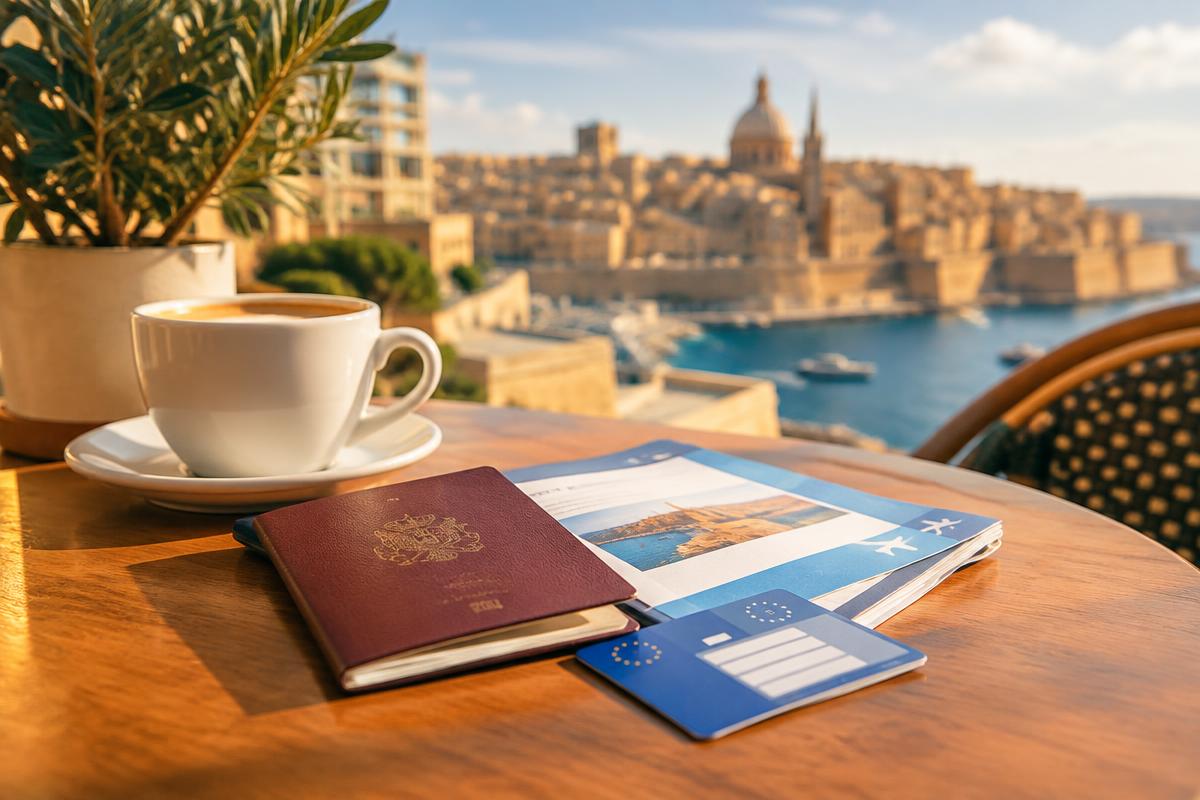
Using an EHIC in Malta: Healthcare Guide for European Tourists and Visitors
What the European Health Insurance Card covers in Malta, what it does not replace, private treatment, travel insurance, documents and emergency care.
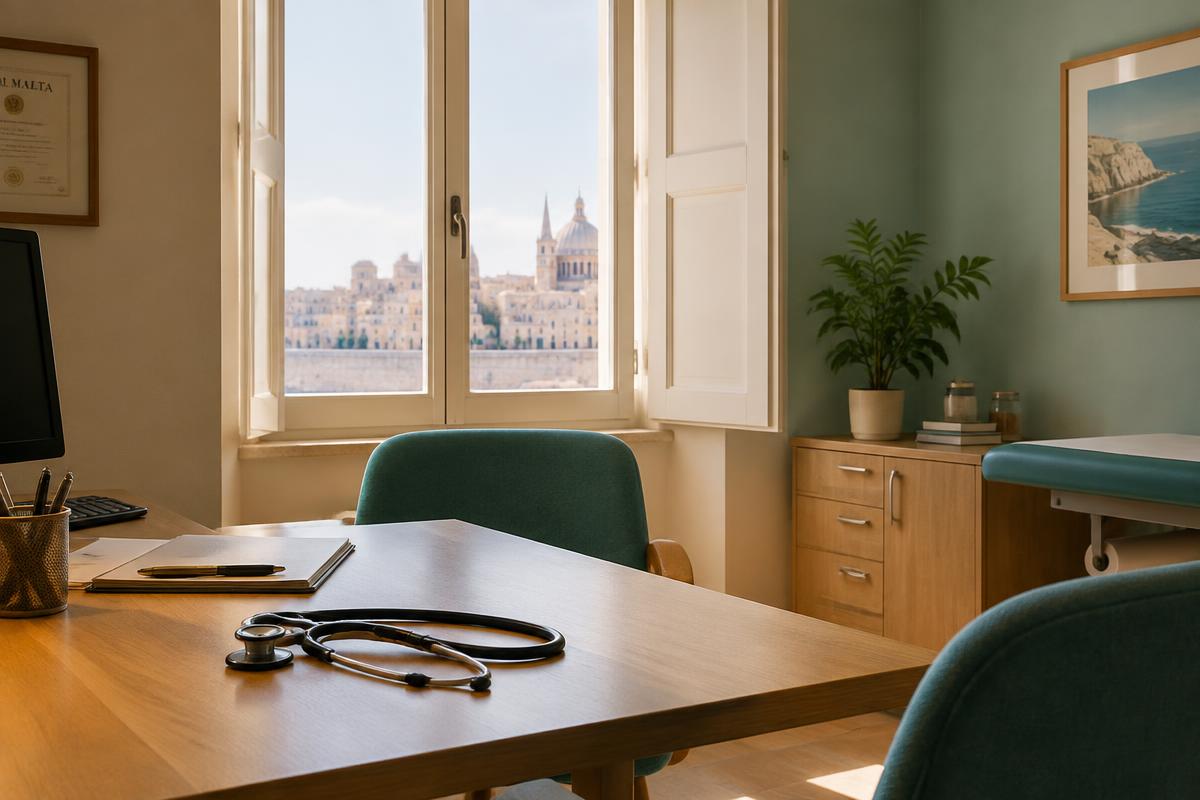
How to Find a Doctor in Malta: Public, Private and Online Options
A practical guide to finding a doctor in Malta - public health centres, private GPs, online consultations, options for tourists and when to call 112.
Food Poisoning in Malta: What to Do When Your Holiday Goes Wrong
Common symptoms of vomiting and diarrhoea, hydration, what to avoid, red flags, higher-risk groups and when to seek urgent help in Malta.