
Food Poisoning in Malta: What to Do When Your Holiday Goes Wrong
Stomach upsets are common when travelling. This guide does not diagnose the cause - it helps you stay safe while you recover.
Key takeaways
- Replacing fluids is the most important step.
- Most cases improve within a few days.
- Blood in stool, signs of dehydration or severe pain need medical advice.
Common symptoms
- Nausea and vomiting.
- Diarrhoea.
- Stomach cramps.
- Fever, aches and tiredness.
Many different causes - infections, toxins, or other conditions - can produce these symptoms. A doctor can help if symptoms are severe or unusual.
Hydration
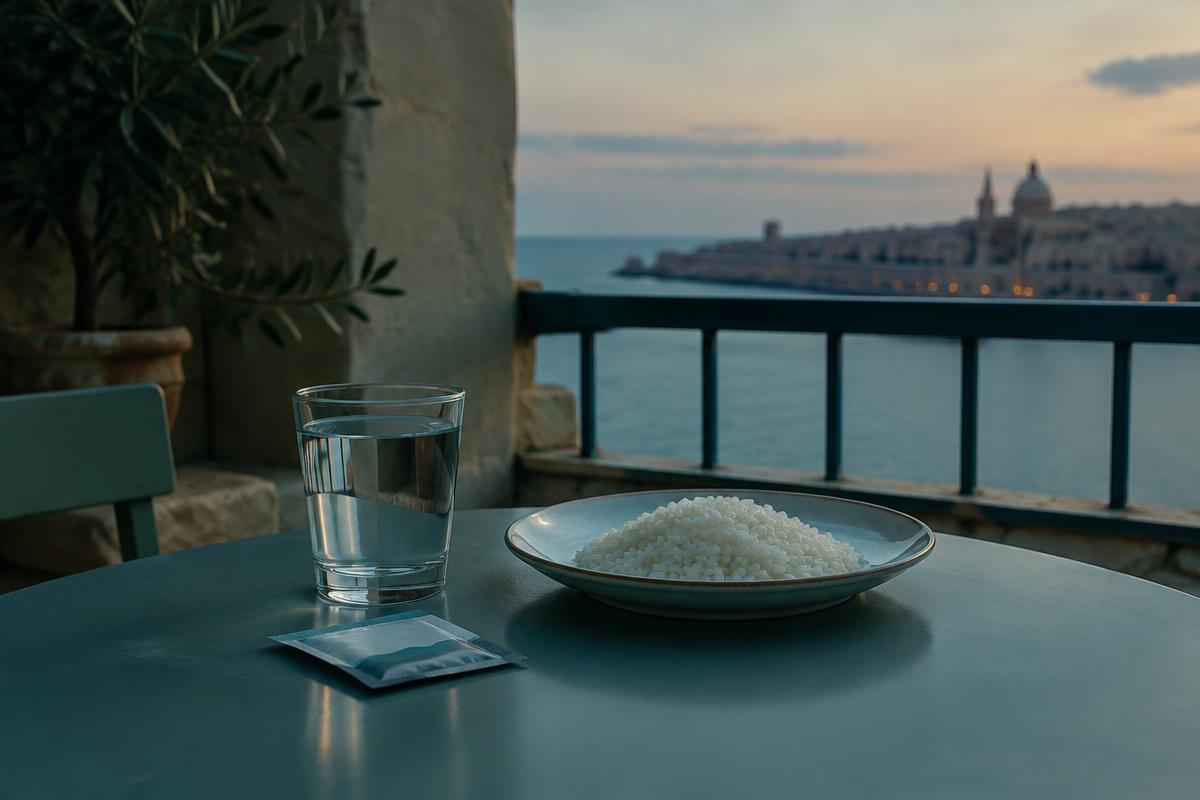
Take small, frequent sips of water. Oral rehydration solutions from a pharmacy replace salts and sugar lost through vomiting and diarrhoea. Eat when you feel able - plain foods are often easier.
What to avoid
- Alcohol and very sugary or caffeinated drinks.
- Preparing food for others while unwell.
- Taking anti-diarrhoea medicine without checking it is suitable, especially with fever or blood in stool, or for children.
When symptoms may require medical advice
- Vomiting that prevents you keeping fluids down.
- Diarrhoea lasting more than a few days.
- Symptoms after recent travel to other regions.
- You have a long-term condition or take regular medicines.
Red flags
- Blood in vomit or stool.
- Severe abdominal pain.
- Signs of dehydration: very little urine, dizziness, dry mouth, confusion.
- High fever.
Heat makes it harder
Warm weather makes correct food handling and hydration particularly important. Heat and sun exposure can add to fluid loss, so rest somewhere cool and keep sipping.
Travellers
Keep receipts if you see a doctor, and contact your travel insurer if you need treatment. Tell the clinician where you have eaten and whether others are ill.
Children and older adults
Babies, young children, older adults, pregnant people and anyone with a weakened immune system can become dehydrated more quickly and should get advice earlier.
When to seek urgent help
Call 112 if someone is very drowsy, confused, collapses, or shows signs of severe dehydration.
This information cannot diagnose your symptoms or replace individual medical advice. For a medical emergency in Malta, call 112.
Continue reading
Sources and references
Related guides
What to Do If You Get Sick While on Holiday in Malta
Feeling unwell on holiday in Malta? How to judge urgency, find a GP or private doctor, use pharmacies, EHIC and travel insurance, and what documents to keep.
Sick in Your Hotel Room in Malta? Can a Doctor Come to You?
Yes - in Malta a doctor can often visit your hotel, apartment or holiday rental. How doctor-on-call visits work, what to tell them, and when you need hospital instead.
Heat Exhaustion vs Heatstroke in Malta
How to recognise heat exhaustion and heatstroke in Malta, cooling and hydration, and when to call 112 or speak to a doctor.